Love, kindness and connection

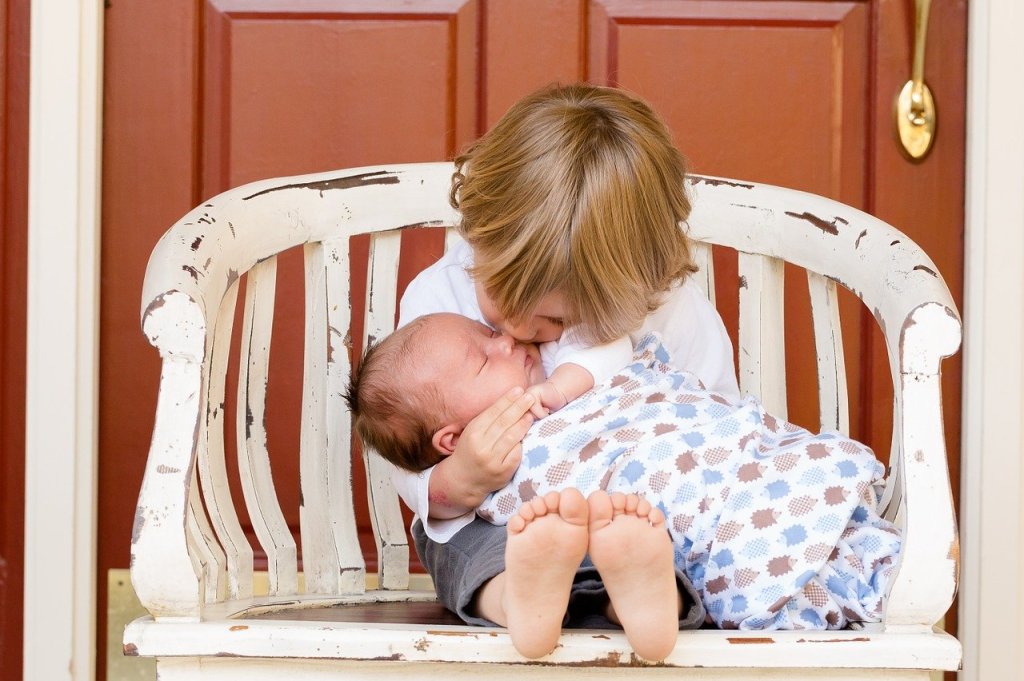
Image by sathyatripodi from Pixabay 

Love, kindness and connection

Who do you love? Who loves you? Who are the people (yes and fur babies!) that mean the most to you and that you share caring relationships with? How do we express love? There are differences in the dimensions and expressions of love for our romantic partners, our friends and family. In some senses we may regard our expression of love as more kindness and caring behaviours. However, we think about and express our love for others, the important thing to recognise is that love, relationships, and connections to others are of fundamental importance to everyone and a significant contributor to wellbeing.  In fact, love is consistently “one of the five strengths most associated with life satisfaction and happiness (Niemec, 2018, Ch.6)” ensuing its place in our first five strengths series blogs.

Character strengths are those characteristics that are universally regarded as reflecting the best qualities that human beings can have (Niemec, 2018). When regarded as a character strength, love “refers to the degree to which you value close relationships with people and contribute to that closeness in a warm and genuine way”;  and it is also “reciprocal, referring to both loving others and the willingness to accept love from others (Niemec & McGrath, 2019, p.131)”. Love supports our capacity for forgiveness and empathy therefore supporting our capacity for improved communication and connection with others and resulting in more secure relationships (Niemec & McGrath, 2019). Further, when we look beyond who we already like or love extend loving kindness and compassion to others we contribute to a kinder world. When we can turn this loving kindness inwards, we can develop self-compassion, perhaps forgive for ourselves and heal any traumas. Love for our self and others makes space for acceptance, growth, compassion, kindness and optimal wellbeing for everyone.

Belonging is one of the most basic human needs (Baumeister & Leary, 1995); and to love and be loved, is to belong. Anyone who has ever loved and lost someone can attest that love is important. Whether romantic love, mature love; love of a child; love of your family and friends; love of a pet; or even spiritual or religious love; all love is important for our wellbeing. Each of these types of love involve the reciprocation of care, attention, affection, acceptance, empathy and sometimes forgiveness. The opportunity to be seen in your entirety, to be known for everything you are and still be appreciated, valued, loved and maybe even adored, is fundamentally important. The enduring nature of uncompromising love adds tremendous value and richness to our lives. It is why we seek other people and try to ‘find our tribe’ so that we too belong. So, those questions again; who do you love? Who loves you? Are you fortunate and can easily answer? Do you feel you express love enough; are you reciprocating care, love and attention with others? It is true that when reflecting on life we often hear that people focus on those people closest to them in their life; not their accomplishments or their wealth. The legacy is in whose life they have shared. Love, and being loved is the one true happiness in life, and the one that when all else falls away will provide comfort, shelter and belonging. Spend some time on love; it is the best investment you can make.

Here’s to you moving beyond.

Claire x

P.S. Want to feel the love? Try this!

Loving Kindness Meditation

  • Choose a time when you can be uninterrupted for 15 minutes.
  • Note your thoughts and feelings prior to doing the meditation.
  • Sit comfortably, ideally upright with feet flat on the floor; or on the floor with your legs crossed. You want to be in a relaxed posture that will allow you to breathe deeply and relax without falling asleep.
  • Play the Loving Kindness Meditation, giving your full attention to the meditation.
  • After completing the meditation, observe your thoughts and feelings. Do you feel different? How? What have you learned through this experience? Do you think is was beneficial for you?
Image by Pexels from Pixabay 

Positive habit | Where will you schedule time quiet your mind and cultivate compassion for yourself and others?

This intervention from Wise Mind Body Loving Kindness Meditation with Josh Wise

References

Baumeister, R. F., & Leary, M. (1995). The need to belong: desire for interpersonal attachments as a fundamental human motivation. Psychological Bulletin. 117(3): 497-529. doi:10.1037/0033-2909.117.3.497

Niemec, R., M. (2018). Character Strengths interventions. A field guide for practitioners. Canada: Hogrefe.

Niemec, R., M. & McGrath, R., E. (2019). The power of character strengths. Appreciate and ignite your positive personality. VIA Institute on Character: United States of America.


Dare to dream – the power of hope

Image by composita from Pixabay 

Dare to dream – the power of hope

Hope is a powerful ally in our wellbeing journey. Without hope, there is nothing. Hope is a choosing to believe that things can and will get better or that you can prevail. Life is full of experiences and of course not all of them are positive, however having hope that you will overcome obstacles is the key to setting a path to ensuring you do. Hope is consistently “one of the five strengths most associated with life satisfaction and happiness (Niemec, 2018, Ch.6)” and that is why it is included in the first five strengths series blogs.

Character strengths are those characteristics that are universally regarded as reflecting the best qualities that human beings can have (Niemec, 2018). Hope provides a buffer against anxiety and depression, helps us to persevere in adversity, supports active problem solving, produces greater academic performance, promotes positive interpersonal relationships, improves physical and mental health, builds resilience and can even extend our life (Niemec & McGrath, 2019). Hope is the combination of optimistic thinking, consideration, planning and positive action, that results in “positive expectations about the future (Niemec & McGrath, 2019, p.239).” As Vikram Seth  is quoted as saying, hope is about “put(ting) your backbone where your wishbone is”. That is, getting down to work with self-belief in your capacity to achieve and the expectation that the effort will likely result in the desired outcome.

Now occasionally hope gets a bit of a bad rap. People who express optimism or hope are often charged with naivety, immaturity or living in a land of rainbows and unicorns blissfully unaware of the truth of life and its full scope of challenges. However, to suggest that expressing a hopeful attitude means you don’t know or understand life’s trials is equally naïve. Sure, hope as a character strength may be subject to under or overuse, as all strengths can be. However, to dismiss hope entirely based on this interpretation is to miss the opportunity to improve our outlook and there is far greater value in looking for that which makes us feel better than dwelling on that which doesn’t. If all of life is decided on that which we fear or wish to avoid, we narrow the scope of possibilities and quash both our imagination and our joy, today and in the future. Isn’t it better if we go through life making choices that reflect our hopes for what we can do, how we want to work and play, and who we share our lives with?

Here’s to you moving beyond.

Claire x

P.S. Want to cultivate more hopeful thinking? Try this!

The Hope Map

  1. Take an A4 piece of paper. Fold it so you have 4 even columns when opened out in landscape position.
  2. At the top of each column, write these headings (left to right): Goal | Obstacles | Pathways | Resources.
  3. Now write your goal. Next note down any obstacles. Then look for the pathways; the ways you can get to the goal. Lastly, write down all resources available that will help you achieve your goal. These will be your personal abilities and strengths, people who will help you, how you will measure your progress and strategies for maintaining motivation.
  4. Reflect on your Hope Map. How do you feel about approaching your goal now? Has your perspective on the obstacles changed at all? Can you see a pathway through the obstacles? Are you well resourced? Has the exercise of creating this map given you new insights and motivation?
Image by CrafCraf from Pixabay 

Positive habit | Where will you use a Hope Map to help you toward your next achievement? 

This intervention adapted from: https://www.michellemcquaid.com/hope/

References

Niemec, R., M. (2018). Character Strengths interventions. A field guide for practitioners. Canada: Hogrefe.

Niemec, R., M. & McGrath, R., E. (2019). The power of character strengths. Appreciate and ignite your positive personality. VIA Institute on Character: United States of America.

In praise of gratitude

Image by 5688709 from Pixabay 

In praise of gratitude

When you reflect on your life there will be moments and people you will be thankful for having learned something from. While it is true that not all these blessings felt that way at the time, when viewed with a grateful disposition, and with a little distance, we can usually see how each provided value and a learning to be thankful for having experienced. An attitude of gratitude is therefore consistently “one of the five strengths most associated with life satisfaction and happiness (Niemec, 2018, Ch.6)”; and that is why it has a place in our first five strengths series blogs.

Character strengths are those characteristics that are universally regarded as reflecting the best qualities that human beings can have (Niemec, 2018). Gratitude has been linked to improved cardiovascular and immune system function, more pro-social and health supporting behaviour, greater goal achievement, academic performance and enjoyment of work and even spiritual benefits through a greater sense of interconnectedness (Niemec & McGrath, 2019). What is especially important to note is that as humans we all have what is referred to as a ‘negativity bias’, that being that we naturally notice and retain information that has negative attributes. Researchers have identified that experiencing gratitude increases positive emotions or ‘affect’, and that when we feel happy we are “better able to notice and remember good things in our environment (Watkins, Van Gelder & Frias, p.442).” It is therefore beneficial to direct our attention to observing those things to be grateful for in our everyday life, to offset the natural inclination to the negative, and to cultivate more positive emotions that build our resilience and wellbeing.

Now a word of caution; gratitude does not equate to manners. Saying thanks when appropriate, whilst polite and a social nicety that most everyone observes, is not the same as an expression of gratitude. While it is important and pro-social to give thanks and doing so will provide brief positive emotions, the inherent strength in feeling and expressing gratitude comes in being able to identify and articulate what exactly you are grateful for. It has a more profound effect on you as you embed deeply the value you have received and is more meaningful to the recipient of the gratitude who is truly seen and valued in return. For example, consider the difference between these scenarios between where a manager expresses gratitude to their team member. “Thanks for this week Shannon.” (Crickets anyone?) Let’s try this again. Manager: “Thank you for all your effort and support this week Shannon. I really admire the way you helped keep the team focused on the task to meet our deadline, and the positive energy and ideas you bring to our meetings”. Now consider, which of these two expressions of gratitude are more impactful, meaningful, and memorable? Which version do you think will inspire future positive actions in Shannon? How do you think the relationship between the manager and Shannon might be on the next project?

Here’s to you moving beyond.

Claire x

P.S. Want to promote an attitude of gratitude? Try this!

Gratitude letter

  1. Write a letter of thanks and expressing gratitude to someone. 
  2. Explain clearly what they did, how it affected you and why you are grateful for that event. 
  3. If possible and appropriate you may like to deliver the letter in person. (Bonus feelgood points for this!)
  4. Reflect on your thoughts and feelings after writing the letter and again if you delivered the letter. How did the experience make you feel? What impact do you think this had on the recipient of your letter? How can we express gratitude everyday even in small ways? How does doing so benefit both myself and others?
Image by CrafCraf from Pixabay 

Positive habit | Who are you writing your next gratitude letter to?

Intervention adapted from: Niemec, R., M. (2018). Character Strengths interventions. A field guide for practitioners. Canada: Hogrefe.

References

Niemec, R., M. (2018). Character Strengths interventions. A field guide for practitioners. Canada: Hogrefe.

Niemec, R., M. & McGrath, R., E. (2019). The power of character strengths. Appreciate and ignite your positive personality. VIA Institute on Character: United States of America.

Watkins, P., C., Van Gelder, M., & Frias, A. (2009). Furthering the science of gratitude. In S. J. Lopez & C. R. Snyder (Eds.), The Oxford Handbook of Positive Psychology. (2e., pp.437-445). New York, New York: Oxford University Press.

Championing curiosity and zest

Image by Pexels from Pixabay 

Championing curiosity and zest

To wonder is an infinite pursuit that provides mental stimulation; and if that wonder can extend to a rich curiosity generating excitement or enthusiasm, we have zest. The happy partnering of curiosity and zest together provides motivation, interest, and increased opportunities to engage in those things which make our heart sing. In fact, curiosity is “one of the five strengths most associated with life satisfaction and happiness”; and zest is consistently “one of the top two character strengths most associated with life satisfaction (Niemec, 2018, Ch.6)”; which is why together they have a place in our first five strengths series blogs.

Character strengths are those characteristics that are universally regarded as reflecting the best qualities that human beings can have (Niemec, 2018). While curiosity compels us to seek novelty, adventure and learn new things, zest is the fuel that drives us to engage with new experiences. Curiosity and zest are two qualities that make life interesting and make us interested in others which helps build meaningful relationships. Indeed, research has shown that curiosity promotes life satisfaction via strengthened relationships, the discovery of activities that bring us pleasure, self-improvement, finding meaning and increased longevity (Niemec & McGrath, 2019). Additionally, zest has been shown to increase our sense of happiness, hope and positivity; to heighten fun, inspiration and motivation, and “allows for a fuller expression of (our) abilities, skills and talents (Niemec & McGrath, 2019, p.122).”

Although we know intellectually what curiosity and zest mean, the challenge is really drilling down to uncover how we can put them both to work for us. For a pure example which anyone who has ever been a child or had a child can relate to; that delightful little word that comes shortly after the discovery of ‘NO’ – that being ‘why?’ Why is the sky blue? Why can’t I have chocolate? Why are you so crabby? *sigh* While a source of spectacular annoyance on occasions, it is nonetheless an unfiltered expression of curiosity, coupled with bouncing about that reveals an unbridled energy and enthusiasm to learn more about any and everything around them. As adults we tend to lose that sense of wonder, whether because asking why is unwelcome (read #don’tchallenge #statusquo #snoozefest); or asking why is seemingly considered to be revealing a smarts deficit (Uh oh, you mean you don’t know everything?). But how refreshing and energising it is to ask why, to wonder, to learn something new? To hear about other people’s ideas, experiences, and their lives? To get creative and dream up possibilities? We can learn so much and be so enriched by becoming really curious and enthusiastic in our approach to life, and in doing so even the mundane can yield something of novelty that brightens our day.

Here’s to you moving beyond.

Claire x

P.S. Want to promote curious thinking and zest? Try this!

Curious walkabout

  1. Go for a walk in a natural environment. Take your phone, but use it only for taking pictures
  2. Take photos of anything you find interesting, beautiful or that makes you curious.
  3. Ask questions about what you are seeing, hearing, feeling, thinking, and noticing.
  4. After the walk, reflect on how you feel. Did you enjoy connecting with nature, being physically active and looking at the world with a new perspective? How can you apply curiosity and zest in your everyday?
Team Bigelow CFO – Chief Fur Officer Tabitha gets curious. Author’s own image.

Positive habit | How will you follow your curiosity, learn something new and keep the zest for life? 

Intervention adapted from: Niemec, R., M. (2018). Character Strengths interventions. A field guide for practitioners. Canada: Hogrefe.

References

Niemec, R., M. (2018). Character Strengths interventions. A field guide for practitioners. Canada: Hogrefe.

Niemec, R., M. & McGrath, R., E. (2019). The power of character strengths. Appreciate and ignite your positive personality. VIA Institute on Character: United States of America.

Make ’em laugh – The health benefits of humour

Team Bigelow Junior always making room for fun. Author’s own photo.

Make ’em laugh – The health benefits of humour

When was the last time you laughed – I mean really laughed? Can you remember? What were you laughing about? Can you feel it? Are you smiling now just remembering how funny it was? I am almost certain that indeed you are smiling at both the memory, and the original moment and therein is the magic of humour and its capacity for cultivating wellbeing. In fact, humour is consistently “one of the five strengths most associated with life satisfaction and happiness (Niemec, 2018, Ch.6)” ensuring its place in our first five strengths series blogs.

Character strengths are those characteristics that are universally regarded as reflecting the best qualities that human beings can have (Niemec, 2018). As most of us agree that a sense of humour is desirable in others and that we enjoy having a laugh, it is therefore no wonder that our perception of happiness and life satisfaction are linked to how much humour we enjoy. Humour has the capacity to buffer us from stress, increase positive emotions and social connections, helps us see the positive side of things, makes us more socially attractive and even improves our physical health (Niemec & McGrath, 2019). In another study from 2006, Peterson, Park & Seligman, found that “recovery from a psychological disorder or serious illness was associated with elevated humour (Ruch & McGhee, 2014, p.179).”

So, while not only a thoroughly enjoyable way to spend your evening, it turns out watching your favourite sit-com may in fact have therapeutic benefits too. But there is more to cultivating and using humour than just watching a funny show. It is our capacity to be playful, to make fun, to lighten a tense mood and see the lighter side of things when times are challenging that will best serve us the protective benefits that come from an elevated mood and the experience of positive emotions. Allowing ourselves to notice and express humour is something we can all do to bring more humour to ourselves and others. It costs nothing, makes us feel good, can strengthen relationships, and make whatever we are doing more enjoyable. After all, is not the most wasted of days one where you have not laughed?  

Here’s to you moving beyond.

Claire x

P.S. Want to cultivate your strengths in humour? Try this!

3 funny things

  1. Write down 3 funny things that happened each day for the next week.
  2. They may be things you did, someone else did, or something you found amusing and made you laugh.
  3. Reflect on why they amused you, how they happened and enjoy the moment again.
  4. At the end of the week reflect on how experiencing, noticing, and recalling these funny things made you feel. Have you enjoyed your week more than you might have otherwise?
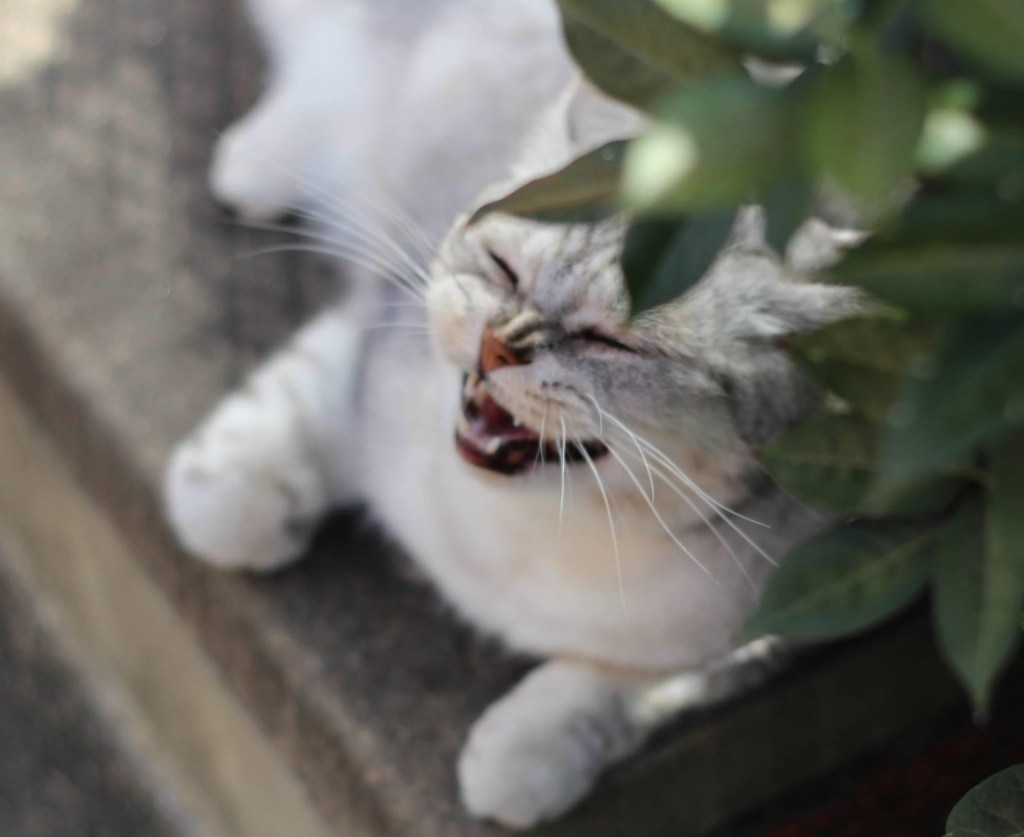
Team Bigelow CFO – Chief Fur Officer Tabitha. Dad said, “No more sleeping on my bed” . So I go tell mum and we both know that’s ridiculous. Then she says I should “Tell him he’s dreamin’.” And then we laughed and laughed. Author’s own image. 

Positive habit | Where will you plan for play, fun and build some humour into the next week?

Intervention adapted from: Niemec, R., M. (2018). Character Strengths interventions. A field guide for practitioners. Canada: Hogrefe.

References

Niemec, R., M. (2018). Character Strengths interventions. A field guide for practitioners. Canada: Hogrefe.

Niemec, R., M. & McGrath, R., E. (2019). The power of character strengths. Appreciate and ignite your positive personality. VIA Institute on Character: United States of America.

Ruch, W., & McGhee, P., E. (2014). Humour intervention programs. In A. C. Parkes & S. M. Schueller (Eds.), The Wiley Blackwell Handbook of Positive Psychological Interventions. (1e., pp.179-193). West Sussex, UK: John Wiley & Sons Pty. Ltd.